
Beyond the phone: where confidence in evidence access drops
Key takeaways
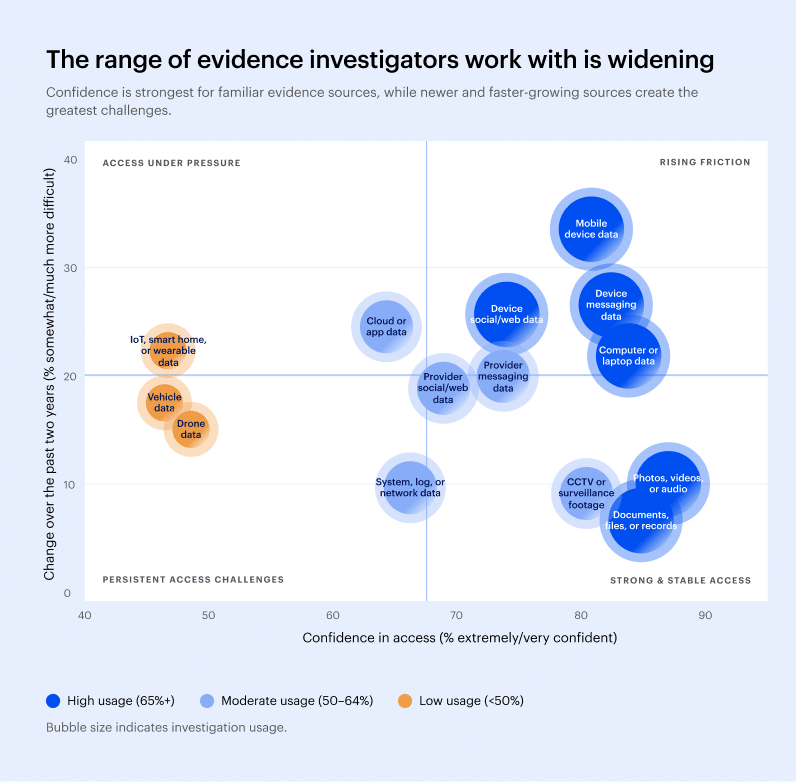
- More than eight in 10 digital evidence professionals who work with mobile data are very or extremely confident their organization can access it. For vehicle and drone data, fewer than half say the same.
- Mobile confidence had to be earned: when encryption upended acquisition, it took new tools and training to catch up.
- Vehicles and drones are now facing the same encryption challenges phones did. Closing the gap will take the same mix of tools and skills, and 58% say more training or technical expertise would improve access.
Ask digital evidence professionals whether they can reach the data on a phone, and most will say yes. Ask about a vehicle or a drone, and the answer changes. In our Clearing the path to justice: 2027 public sector digital investigations report, 87% of the 306 public sector professionals we surveyed work with mobile device data, and more than eight in 10 of them are very or extremely confident their organization can access it.
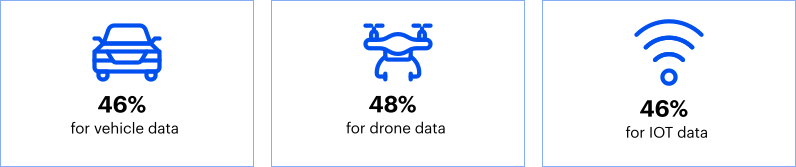
That confidence drops quickly when it comes to newer data sources. Among those who work with each source, the share who are very or extremely confident falls to:
- 46% for vehicle data
- 48% for drone data
Mobile forensics went through a similar shift years ago, and vehicles and drones are now starting down that same road.
How mobile forensics adapted to encryption
About 15 years ago, physical methods like chip-off and JTAG were standard ways to acquire evidence from many phones: examiners opened the device and dumped the flash. Full-disk encryption largely ended that. Reading the data straight from the chip no longer returned what examiners needed, so they had to find ways into the phone while it was running to get the keys that decrypt the data.
Encryption remains a persistent challenge, especially as operating systems keep evolving. Device encryption and passwords are still the most commonly cited obstacle to acquiring digital evidence (65%), and 51% point to devices that are locked, powered off, wiped, or otherwise inaccessible in the field. But purpose-built tools like Magnet Graykey have given examiners dependable ways in, and respondents’ confidence in mobile access reflects that.
Vehicle forensics: encryption reaches the infotainment system
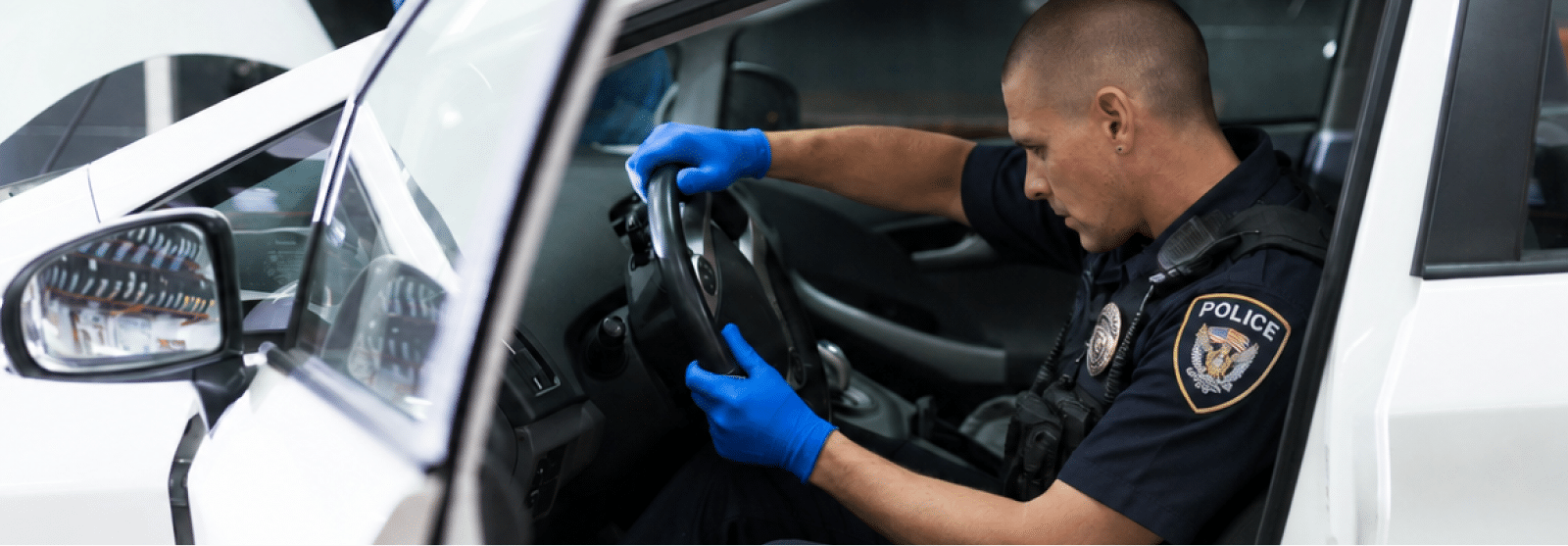
Until around 2020, most vehicles resembled those older phones. Data sat unencrypted, so an examiner could do a chip-off and read it in plain text.
That’s changing as drivers expect navigation, apps, and smooth phone connections in their infotainment units. Those features need modern processors, and many units now use the same protections examiners know from mobile devices, such as secure boot and trusted execution environments. That puts vehicle chip-offs on the same path phone chip-offs took. A chip-off from one of these units may still return logs and system information, but high-value user data like contacts may be encrypted and unreadable. In mobile forensics, few examiners would rely on a chip-off today for that reason.
Encryption varies by manufacturer and unit, and units with richer features are generally the ones encrypted at rest.
That’s the catch for investigators: the vehicles most likely to hold useful evidence are also the ones legacy vehicle acquisition methods can’t reach. Removing the infotainment unit isn’t a reliable workaround either. Many units need to communicate with other parts of the vehicle when they start up, including to get the keys that unlock their data.
Drone forensics: encryption is spreading
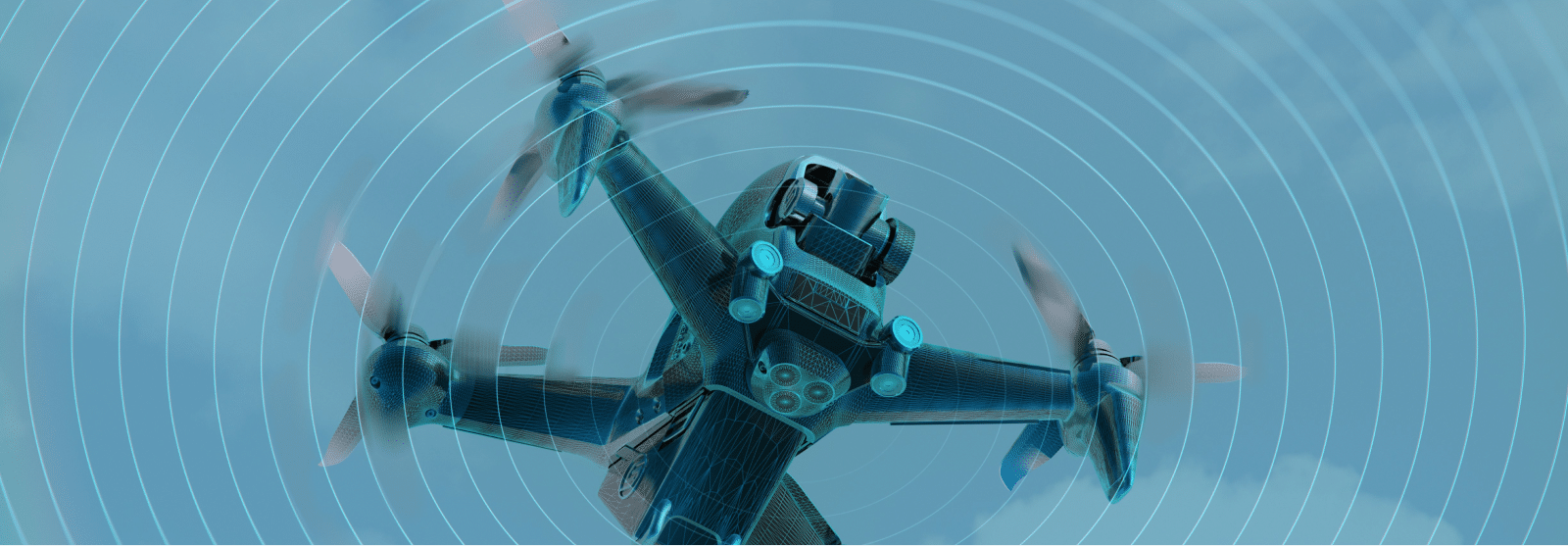
Drones aren’t only a military or federal concern. Local agencies have seen them used to deliver small quantities of narcotics and drop contraband into county jails. Yet drone forensics is still new territory for much of the digital forensics community.
Part of the challenge is how fast the technology moves. Makes, models, and firmware change constantly, so the path into the data keeps shifting. Protections are changing too. For a long time, encryption was rare in drones, and even encrypted models weren’t encrypted at rest. Now more manufacturers are adding encryption, obfuscation, or modified compression. Manufacturers first worked out how to get a drone to fly, float, or drive. Now they’re working out how to secure it.
Handling is where drones differ most from phones. With a phone, the goal is often to keep the device on and in its current state. With a drone, the priority is to render it safe and power it off. It may be carrying a dangerous payload, and some disassembly, such as removing the battery and propellers, may be needed for safety.
Carrying mobile habits over to drones can cost a case. Internal storage is limited, so a drone left running can overwrite previous flight logs and sensor data, along with data that could have traced it back to where it came from.
Closing the access gap for vehicles and drones
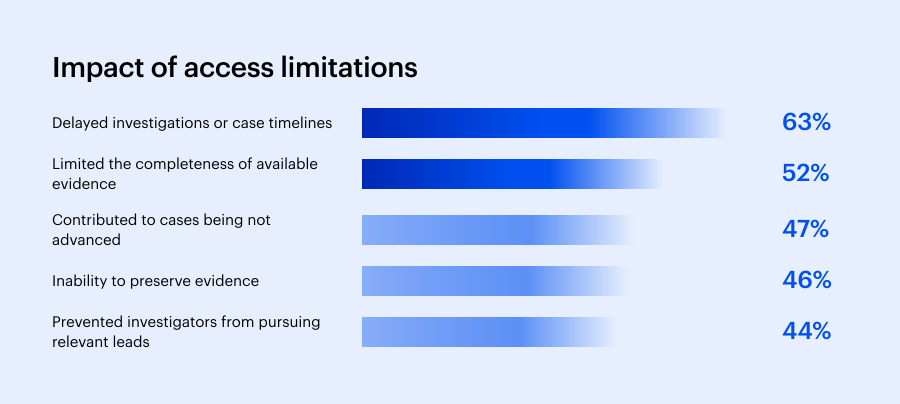
Whatever the data source, access limitations can affect casework. Sixty-three percent of respondents say they have delayed investigations or case timelines, and 76% agree they can affect their ability to show evidence is complete if it’s challenged.
When we asked what would most improve access, respondents pointed to both tools and skills:
- Faster support for new devices, operating systems, and apps (75%)
- Better handling of encrypted, locked, or powered-off devices (65%)
- More training or technical expertise (58%)
Mobile forensics shows the gap can close when tools and training keep pace with encryption. Magnet Forensics is applying that lesson to newer data sources. Magnet Autokey helps examiners reach encrypted vehicle infotainment data over USB, without a teardown or chip-off, and V2 Forensics, which joined Magnet this year, brings dedicated drone forensics capabilities. Training matters beyond the lab, too. When investigators and first responders know how to handle a device at the scene, whether that means keeping a phone powered on or powering a drone off, they help preserve the data examiners need.
Next steps
Read the full report to see how access confidence varies across evidence sources, where evidence sharing breaks down between handoffs, and how AI-generated media is testing trust in evidence. Then join Brandon Epstein and Jeff Rutherford on Dec. 2 for a closer look at the barriers between evidence and answers.